In Part I and Part II, and in PIC Curiosity we learned how to create a project, build it, test it and deploy on a PIC microcontroller. Now we need to learn how to do[…]
Continue reading …
In Part I and Part II, and in PIC Curiosity we learned how to create a project, build it, test it and deploy on a PIC microcontroller. Now we need to learn how to do[…]
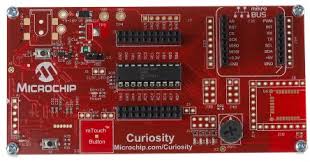
I would recommend reading parts I and II first. Microchip had recently released set of development boards which really helped to ease microcontroller development – Curiosity Boards. I got this one. Let’s create our first[…]
There are several unit test frameworks for C/C++ but we will take a look at Google Test. First you will need to download and build it. It’s available here. Follow the instructions how to build[…]
In one of the previous posts about Ant we mentioned that Ant supports JUnit unit test. Now let’s talk about JUnit itself. Basic tutorial is available at the source, so we will go a little[…]
Now let’s use real microprocessor. For this project we will need microprocessor, programmer and scheme with LED which we used in Arduino and Raspberry Pi projects. Also prerequisite is that you completed project in part[…]
This time we are going to write C application for Raspberry Pi to do a blinking LED. We would reuse the same scheme as we use in Python example. For C example we will use[…]
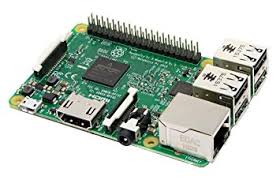
While we wait for our components to arrive for our PIC project, let’s play with Raspberry PI. Raspberry PI is not a microcontroller it’s fully functional computer. Prerequisite to this topic is connected and running[…]
And now let’s go to the lowest level – microcontrollers. That’s what drives every electronic device around you. I found this one in my drawer: PIC16F690. You can buy ‘raw’ device or buy experimentation board,[…]
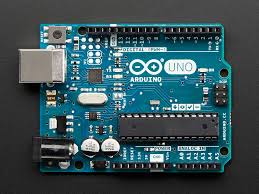
Let’s switch gear and switch to micro controllers. The best way to start is with Arduino. You can buy just the board, or start-up kit like this one. Next step is download and install studio[…]
Python is very similar to Perl so to save myself some time I would do copy/paste/replace… 🙂 Python is scripting language; that means you don’t compile it to executable, like C/C++, nor compile it to[…]